
A Frenchie who suddenly ignores a full bowl is hard not to worry about. If you’re asking “why is my French Bulldog not eating?”, the honest answer is that it can be anything from a fussy mood on a hot afternoon to a sign of pain or illness. Veterinary sources agree on one point, though: a change in eating habits is worth taking seriously. This guide covers the difference between a picky eater and a dog who is genuinely unwell, the common causes in French Bulldogs, how long is too long, and the red flags that mean you should call your vet now.
Key takeaways
- A Frenchie who wants food but struggles to chew or swallow may have mouth or throat pain.
- Contact your vet if an adult dog hasn’t started eating within 12-24 hours.
- A young puppy that refuses more than one meal should see a vet right away.
- Not eating plus vomiting, diarrhea, lethargy or breathing trouble needs prompt vet care.
- Never force-feed or give human medicines to make a dog eat. Ask your vet instead.
Picky eater or genuinely unwell?
Vets use the word anorexia for a decrease or complete loss of appetite. VCA Animal Hospitals makes a useful distinction: hunger is a physical drive, but appetite is partly mental, so a dog can be hungry and still refuse a meal. VCA also describes pseudo-anorexia, where a dog clearly wants to eat but can’t, because picking up, chewing or swallowing food is difficult or painful.
Watching how your Frenchie behaves around food tells your vet a lot:
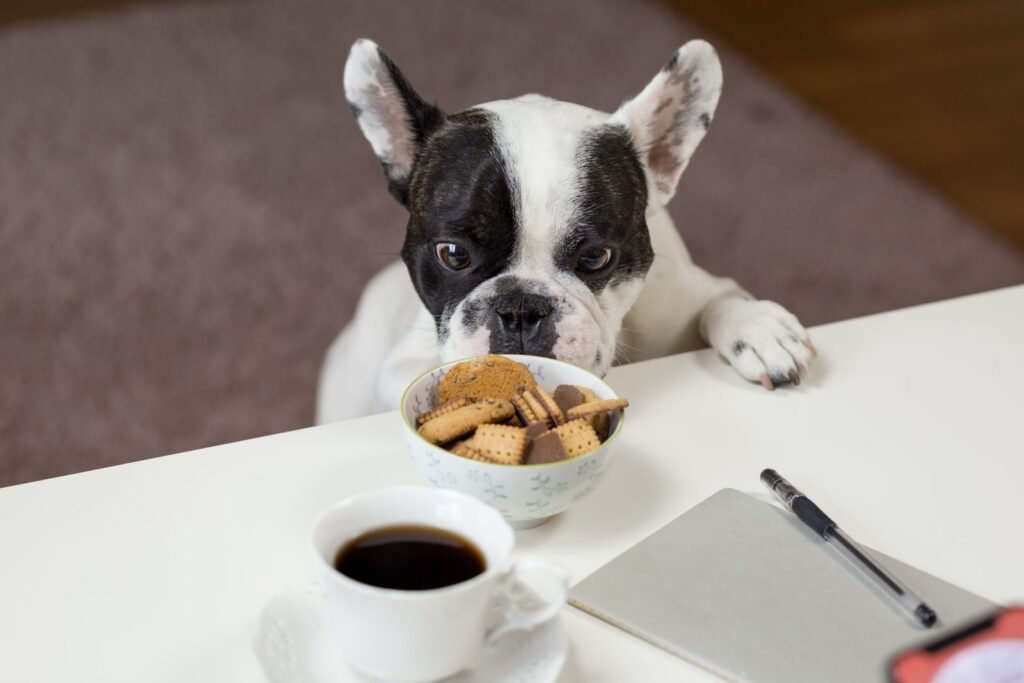
- Picky or “selective”: skips kibble but happily takes treats, is bright, playful, drinking normally and toileting as usual. This is more often about routine, food preference or stress.
- Wants to eat but can’t: approaches the bowl, sniffs, maybe picks food up and drops it, chews on one side or drools. This points toward the mouth, teeth, jaw or throat.
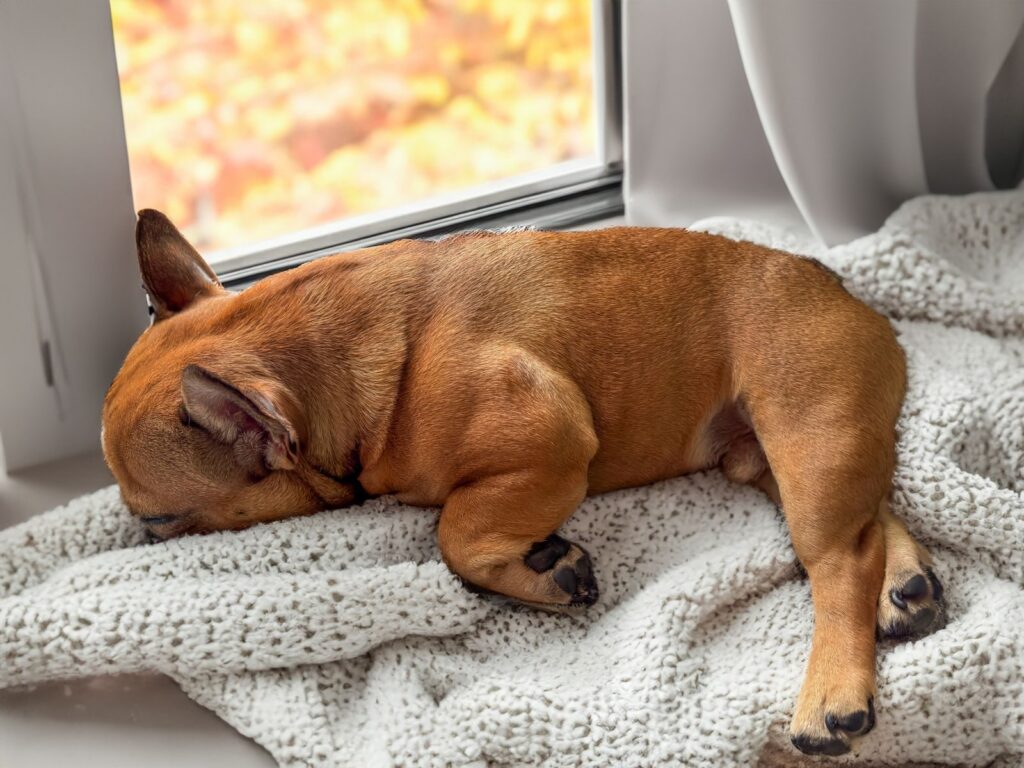
- Not interested at all: turns away from everything, including favorite treats, and seems quiet or withdrawn. This is more likely to be illness, nausea or pain and deserves a vet call sooner.
The AKC notes that some dogs simply prefer to eat at particular times or when their family is home. A sudden change in a dog who normally eats well is different and worth investigating.
Why is my French Bulldog not eating? Common causes
Hot weather
VCA lists high environmental temperature as a cause of reduced appetite. French Bulldogs struggle to cool themselves, so a hot day can leave them flat and uninterested in food. If your Frenchie is also panting heavily, drooling, weak or wobbly, treat it as possible heatstroke, not a fussy appetite. Our French Bulldog heat safety guide covers the warning signs and first aid.
Stress, a new home or a change in routine
PDSA and the AKC both list stress and life changes, such as moving house, a new family member or losing a companion, as reasons dogs go off their food. Keep meals calm, quiet and at regular times.
Food changes or stale food
PDSA warns that frequent diet changes or feeding human foods can upset a dog’s stomach. The AKC also points out that a manufacturer’s recipe change, or food that has gone stale or rancid, can put a dog off. Check the bag’s date and smell, and switch foods gradually rather than overnight.
Dental and mouth pain
According to PDSA, tooth and gum disease (tartar, loose or broken teeth, sore gums and abscesses) can be painful enough to stop a dog eating. VCA adds inflamed gums or mouth, jaw or chewing-muscle pain and oral growths to the list of pseudo-anorexia causes. Watch for drooling, pawing at the face or dropping food.
Nausea and stomach upset
VCA lists nausea from any source as a cause of true anorexia, along with gastrointestinal blockages and ulcers. PDSA mentions gut problems such as gastritis and colitis. If vomiting is part of the picture, see our guide to French Bulldog vomiting vs. regurgitation.
BOAS: when breathing and swallowing compete
Flat-faced breeds have a particular challenge. The University of Cambridge BOAS research group explains that the opening of the esophagus sits behind the soft palate, and in dogs with brachycephalic obstructive airway syndrome (BOAS), excess throat tissue and an elongated soft palate may impede swallowing. Cambridge also notes that regurgitation is commonly seen in BOAS-affected dogs, and that the extra effort of breathing can contribute to reflux. VCA lists retching, vomiting and lack of appetite among the gastrointestinal signs linked to BOAS. A Frenchie who gags, brings food back up or seems breathless while eating should be assessed. Read more in our BOAS guide.
Pain elsewhere in the body
VCA notes that chronic pain anywhere in the body can reduce appetite, and PDSA lists pain among common causes. In French Bulldogs, back problems are an important possibility: a dog with a sore back may be reluctant to lower their head to the bowl. Our article on signs your French Bulldog is in pain explains what to watch for.
Illness and medication
The AKC describes illness as the most common reason dogs stop eating. PDSA lists infections that cause a high temperature, heart or lung disease, liver or kidney disease and hormonal conditions. VCA adds poisoning and side effects of medication. These can’t be told apart at home.
After vaccination
VCA lists loss of appetite among the common mild side effects after vaccines, alongside tiredness and soreness. VCA advises contacting your vet if these signs last more than 24 hours or your pet seems very uncomfortable. Collapse, difficulty breathing, facial swelling, hives, or persistent vomiting or diarrhea after a vaccine need emergency care.
How long can a French Bulldog go without eating?
There is no safe “wait and see” number that fits every dog, but sources give clear thresholds for when to call:
- Adult dogs: the AKC advises contacting your vet if your dog doesn’t start eating within 12-24 hours. PDSA says it is important to see a vet very quickly if your dog hasn’t eaten anything for more than 24 hours.
- Puppies: the AKC says a young puppy that doesn’t want to eat more than one meal should be seen by a veterinarian right away.
- Any dog with other symptoms: don’t wait for a deadline (see the red flags below).
PDSA’s broader advice is simple: contact your vet if you notice your dog’s eating habits change, and if you’re still concerned, call. You know your dog best.
Red flags: call your vet now
Seek veterinary help promptly, or go to an emergency clinic out of hours, if your Frenchie isn’t eating and also:
- Is vomiting, retching without producing anything, or has diarrhea
- Is lethargic, weak or hiding
- Isn’t drinking, or is drinking far more than usual
- Has a swollen, tight or painful belly
- Is breathing noisily, struggling to breathe, or has pale, gray or blue gums
- Is a young puppy
- May have eaten something toxic or swallowed an object (a toy, sock or bone)
- Shows yellowing of the skin or eyes, which PDSA lists as a related sign to watch for
Quick guide: what your Frenchie’s appetite may be telling you
| Situation | Possible meaning | What to do |
|---|---|---|
| Skips one meal, otherwise bright, drinking and playing | Fussiness, heat, routine or mild stress | Keep water available, offer the next meal as usual, watch closely |
| Not eating after moving home or a big change | Stress | Quiet, regular meals; call your vet if not eating within 12-24 hours |
| Wants food but drops it, drools or chews oddly | Mouth, tooth, jaw or throat pain | Book a vet check; don’t wait for weight loss |
| Off food the day after vaccines | Common mild vaccine reaction | Rest; call your vet if it lasts more than 24 hours |
| Gags, regurgitates or seems breathless while eating | Possible BOAS-related swallowing or reflux problem | Vet assessment; urgent if breathing is labored |
| Hunched, trembling, reluctant to lower head | Pain, including back pain | Restrict activity and call your vet the same day |
| Not eating plus vomiting, diarrhea or lethargy | Illness, nausea, blockage or toxin | Call your vet promptly |
| Puppy refusing more than one meal | Puppies have little reserve | See a vet right away |
What you can try at home (if your dog is otherwise well)
These ideas only make sense for a Frenchie who is bright, drinking and showing no red flags. They are not a substitute for a vet visit if the appetite loss continues.
- Warm the food slightly. VCA and the AKC both suggest warming food to make it smell more appealing. Aim for around body temperature, and stir to avoid hot spots.
- Soften or add flavor. The AKC suggests pouring warm water over kibble or adding a dog-safe broth. VCA recommends low-sodium broth; avoid any containing onion or garlic.
- Check the food itself. Look at the date and smell for staleness, and buy bag sizes your dog will finish while fresh.
- Keep mealtimes calm. Feed in a quiet spot, away from other pets, at the usual time.
- Keep notes on when they last ate and drank, and any vomiting or stool changes.
What not to do: don’t force food into your dog’s mouth, which can be stressful and, in a flat-faced dog with swallowing difficulties, risky. Don’t give human medicines to settle the stomach or ease pain, since some are dangerous to dogs. Avoid rich human foods and frequent diet switches, which PDSA warns can upset the stomach. If your vet decides your dog needs help with appetite, they can prescribe suitable treatment.
Vet note: Appetite loss is a symptom, not a diagnosis. Your vet will usually start with a detailed history and physical exam, and may recommend blood tests or imaging. Tell them when your Frenchie last ate and drank, any changes in routine or food, vaccines, possible access to toxins, and whether your dog seems to want to eat but can’t.
FAQ
My Frenchie won’t eat kibble but will eat treats. Is that okay?
If your dog is otherwise bright and well, this is often selective eating. Still, treats shouldn’t replace meals (keep them to 10% or less of daily calories). If the change is sudden, or your dog chews oddly or drops food, ask your vet to check the mouth and teeth.
My French Bulldog puppy is not eating. How long should I wait?
Not long. The AKC advises that a young puppy who refuses more than one meal should be seen by a vet right away. Puppies have far less reserve than adult dogs.
My dog isn’t eating but is still drinking. Should I worry?
Drinking is a good sign, but it doesn’t rule out illness. Follow the same timeframes: contact your vet if an adult dog hasn’t started eating within 12-24 hours, sooner if there are any other symptoms.
Sources
- Anorexia in Dogs — VCA Animal Hospitals
- My dog isn’t eating properly — PDSA
- Why Is My Dog Not Eating? Common Causes of Loss of Appetite in Dogs — American Kennel Club
- Care for Your Pet After Vaccination — VCA Animal Hospitals
- Recognition & Diagnosis (BOAS) — University of Cambridge, Department of Veterinary Medicine
- Brachycephalic Airway Syndrome in Dogs — VCA Animal Hospitals