
If you share your home with a French Bulldog, you already know the soundtrack: the snorts, the snuffles, the little grunts and the nighttime snoring. Many owners assume all of this is simply “how Frenchies are.” Some of it is. But a lot of those noises are signs of a real medical condition called Brachycephalic Obstructive Airway Syndrome, or BOAS. Understanding it can help you keep your dog comfortable, spot trouble early, and know when it is time to get your vet involved.
Key takeaways
- BOAS is a group of airway problems caused by the Frenchie’s flat face and compact skull.
- Noisy breathing is common, but it is not “normal” and it is worth monitoring.
- Severity ranges from mild to life-threatening, and it can worsen with heat, excess weight and stress.
- Gum or tongue color changes, collapse or struggling to breathe are emergencies.
- Surgery can help many dogs, and a vet can assess whether your Frenchie is a candidate.
What is BOAS?
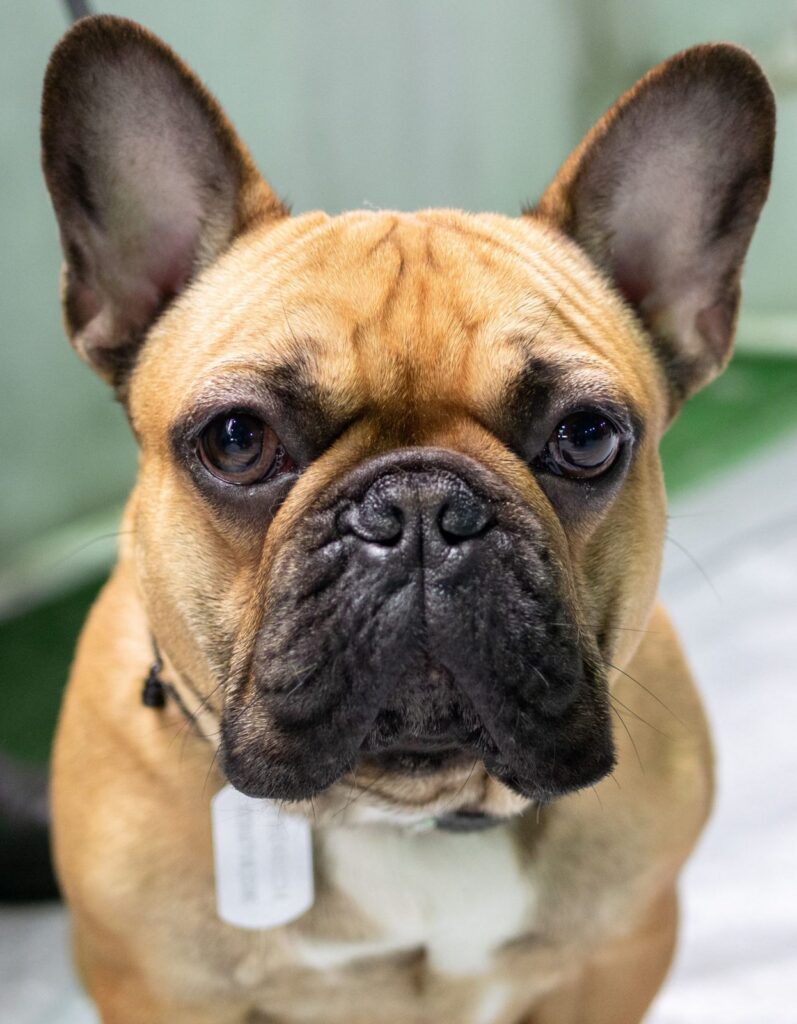
French Bulldogs are a brachycephalic breed, meaning they have been bred for a short, broad skull and a flattened face. The problem is that the soft tissues inside the head and throat did not shrink at the same rate as the bones. The result is too much tissue packed into too little space, which narrows the airway at several points.
BOAS is not a single defect but a combination of features that, together, make it harder for air to move in and out. The most common components include:
- Stenotic nares: narrow, pinched nostrils that restrict airflow from the very first breath.
- Elongated soft palate: the soft palate extends too far back and partially blocks the entrance to the windpipe.
- Everted laryngeal saccules: small pockets in the larynx get pulled into the airway by the effort of breathing, narrowing it further.
- Narrow trachea (hypoplastic trachea): a windpipe that is smaller in diameter than expected for the dog’s size.
- Overgrown nasal turbinates: extra tissue inside the nasal passages that takes up airway space.
Over time, the extra effort needed to breathe can cause secondary changes, including swelling of the throat tissues and, in severe cases, laryngeal collapse. That is one reason early recognition matters: BOAS can be progressive.
Common signs of BOAS
Signs vary a lot from dog to dog. Some Frenchies breathe fairly quietly, while others struggle even at rest. Watch for:
- Loud snoring, snorting or “stertor” (a low, rattly sound) when awake as well as asleep
- A high-pitched, wheezy noise on breathing in (stridor), which can indicate laryngeal involvement
- Breathing with an open mouth at rest or after very light activity
- Tiring quickly on walks or needing frequent breaks
- Restless or disturbed sleep, including pauses in breathing while asleep
- Gagging, retching, regurgitation or vomiting, especially after eating or excitement
- Poor tolerance of warm weather
- Episodes of collapse or fainting
The gastrointestinal signs often surprise owners. Dogs with significant airway obstruction frequently have eating difficulties and regurgitation, which are linked to the pressure changes created by working hard to breathe. If your Frenchie often brings up food or foam, mention it to your vet alongside any breathing concerns.
Understanding severity
Veterinarians often grade BOAS from unaffected through to severe. The functional grading scheme developed at the University of Cambridge, for example, assesses breathing before and after a short trotting exercise test and grades dogs from 0 (unaffected) to III (severe). Your vet may use a scheme like this, but the general picture looks something like this:
| Severity | What you might notice | Typical approach |
|---|---|---|
| Mild | Some noise, mainly during exercise or sleep; recovers quickly after activity | Monitoring, weight control, sensible exercise, heat precautions |
| Moderate | Noisy breathing at rest, reduced exercise tolerance, some sleep disturbance | Veterinary assessment; surgery often discussed |
| Severe | Obvious effort at rest, struggles with mild exercise, collapse episodes, frequent regurgitation | Prompt veterinary care; surgery usually recommended |
Grades can change. A dog that was mildly affected as a youngster may worsen with age, weight gain or secondary airway changes. Regular check-ins with your vet are worthwhile even if things seem stable.
When to worry: emergency signs
Some breathing problems cannot wait for a routine appointment. Contact your vet or an emergency clinic immediately if you see:
- Blue, purple or very pale gums or tongue
- Collapse, fainting or inability to stand
- Extreme, noisy effort to breathe that does not settle with rest in a cool place
- Signs of overheating such as heavy panting, drooling, glazed eyes or confusion
- Choking or apparent inability to get air in
Brachycephalic dogs can overheat quickly because panting is their main way to cool down, and their airway makes panting less efficient. A heat-related crisis can escalate fast. Our guide to keeping your French Bulldog safe in hot weather covers prevention and first aid in detail.
How BOAS is diagnosed
Your vet will start with a history and physical examination, listening to your dog’s breathing at rest and sometimes after a short period of exercise. Looking at the nostrils is straightforward. Assessing the soft palate, larynx and saccules usually requires a sedated or anesthetized examination of the throat, and sometimes imaging such as X-rays or CT to evaluate the windpipe and nasal passages.
Because anesthesia carries extra risk in brachycephalic dogs, many clinics plan the airway examination and any corrective surgery in the same procedure. Ask your vet about their experience with brachycephalic breeds and how they manage recovery. Our guide to French Bulldog anesthesia lists questions to ask before surgery.
Treatment options
Lifestyle management
For every Frenchie, whatever their grade, the basics make a real difference:
- Keep them lean. Extra fat around the neck and chest makes breathing harder. See our guide to the best food for French Bulldogs for help with diet.
- Use a harness, not a collar. Pressure on the neck can worsen airway restriction.
- Exercise sensibly. Short, gentle walks in cool parts of the day are better than long or intense sessions. Our exercise needs guide explains how much is enough.
- Avoid heat and humidity. Air conditioning, shade and fresh water are essentials, not luxuries.
- Reduce stress and overexcitement. Excited panting can trigger breathing episodes in affected dogs.
Surgery
For moderate and severe cases, surgery is often the most effective option. Common procedures include widening the nostrils, shortening the soft palate, and removing everted laryngeal saccules. Some surgeons also address other tissues depending on the individual dog. Many dogs breathe noticeably more easily afterward, although surgery improves rather than completely cures the condition, and results vary.
Earlier intervention, before secondary changes like laryngeal collapse develop, generally gives a better outlook. If your vet suggests surgery, it is reasonable to ask about expected benefits, risks and aftercare, or to seek a referral to a specialist surgeon.
Living well with a BOAS-affected Frenchie
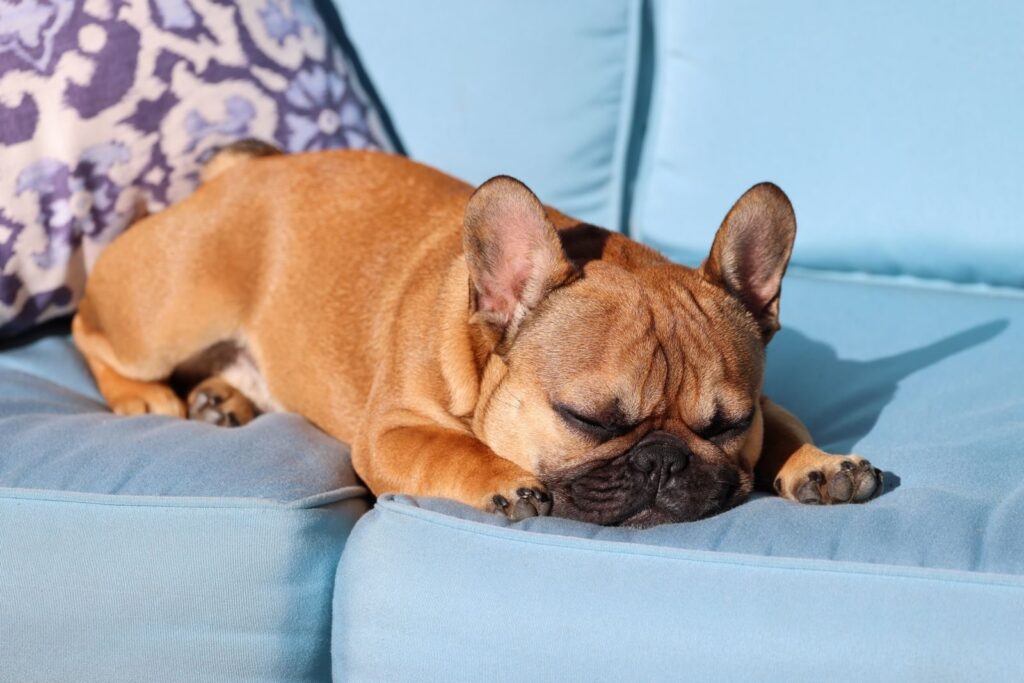
Many French Bulldogs with BOAS live happy, active lives with the right management. Know what your dog’s “normal” breathing sounds like, so you can spot changes. A short video of your dog breathing at rest and after a walk can be very useful to show your vet. Keep a cool, calm environment, maintain a healthy weight, and do not hesitate to ask questions at checkups.
If you are choosing a puppy, ask breeders about the health of the parents’ airways and whether they have been assessed. Puppies from parents with more open nostrils and quieter breathing are not guaranteed to be free of BOAS, but responsible breeding choices help.
Vet note: This article is general information and not a substitute for an examination. If you have any concerns about your French Bulldog’s breathing, speak with your veterinarian. If your dog is struggling to breathe, collapses or has blue or pale gums, treat it as an emergency and seek care immediately.
FAQ
Do all French Bulldogs have breathing problems?
Not every French Bulldog is clinically affected, but completely normal breathing is uncommon. In University of Cambridge respiratory function grading research, only about 10% of French Bulldogs assessed were Grade 0, meaning no detectable airway noise. Grade 1 means mild noise that a vet can only hear with a stethoscope and no signs of being clinically affected, while Grades 2 and 3 cover dogs with audible and more severe problems. A 2026 Cambridge study of 14 other flat-faced breeds found that BOAS was more likely with narrower nostrils, a flatter face and a higher body condition score, so keeping your Frenchie lean is one thing you can control.
Is snoring always a sign of BOAS in French Bulldogs?
Snoring is very common in Frenchies and is often linked to some degree of airway narrowing. Mild snoring alone may not need treatment, but loud noise while awake, effortful breathing or poor exercise tolerance are worth discussing with your vet.
Can BOAS get worse over time?
Yes. The effort of breathing through a narrowed airway can cause tissues to swell and, eventually, the larynx to weaken. Weight gain and aging can also make signs worse. Regular monitoring helps catch changes early.
At what age can BOAS surgery be done?
Timing depends on the individual dog and the surgeon’s judgment. Earlier surgery generally gives a better outcome, and VCA notes that dogs operated on before about two years of age tend to recover better than older dogs. Procedures are planned after a full airway assessment. Your vet can advise on the right timing.
Will surgery make my Frenchie breathe like a long-nosed dog?
Usually not. Surgery aims to improve airflow and comfort, and many dogs improve significantly, but BOAS is not curable and they remain a brachycephalic breed. Heat precautions, weight control and sensible exercise are still important afterward.
Sources
- Recognition & Diagnosis — Cambridge BOAS Research Group, University of Cambridge Department of Veterinary Medicine
- Pathophysiology — Cambridge BOAS Research Group, University of Cambridge Department of Veterinary Medicine
- Management & Treatment — Cambridge BOAS Research Group, University of Cambridge Department of Veterinary Medicine
- Brachycephalic Airway Syndrome in Dogs — VCA Animal Hospitals
- French Bulldog | Breeds A to Z — The Royal Kennel Club
- A cross-sectional study into the prevalence and conformational risk factors of BOAS across fourteen brachycephalic dog breeds — Tomlinson et al., PLOS One (2026)