

Choosing the best food for French Bulldog with sensitive stomach symptoms starts with a vet visit, not a new bag of food. “Sensitive stomach” describes symptoms, not a cause, and the right diet depends on what is actually going on.
Quick answer: The best food for a French Bulldog with a sensitive stomach depends on the cause, so see your vet first. Common diet approaches are highly digestible, reduced-fat diets, fiber-adjusted diets, and hydrolyzed or novel-protein diets. See a vet promptly for blood in vomit or stool, repeated vomiting, weight loss or lethargy.
Key takeaways
- “Sensitive stomach” is a symptom, not a diagnosis. Parasites, scavenging, food reactions and disease can all look alike.
- Many Frenchies regurgitate rather than vomit, which points to the esophagus and airway, not the food.
- Vets use three main diet approaches: highly digestible and lower fat, adjusted fiber, or hydrolyzed/novel protein.
- A food allergy elimination trial must be strict and last at least 8 weeks; don’t hop between foods.
- Grain-free is not a sensitive-stomach fix. The FDA has not established a cause, but the DCM question is unsettled.
Why “sensitive stomach” isn’t a diagnosis
Loose stools, gas, occasional vomiting or a gurgling belly can come from many different problems. VCA Animal Hospitals lists intestinal parasites, dietary indiscretion (table scraps, garbage, spoiled food), and food intolerance or allergy among the more minor causes of vomiting, and infections, toxins, pancreatitis, swallowed objects, liver or kidney disease, inflammatory bowel disease and cancer among the more serious ones. Tufts University’s veterinary nutritionists add that chronic diarrhea can also come from intolerance of high-fat diets, metabolic disease and infections, and that food allergy is actually the least likely cause.
A new food can’t fix worms, a swallowed sock or pancreatitis, so identifying the underlying cause comes first. Before you change diets, your vet may want to:
- Check a stool sample for parasites such as worms and Giardia (the Merck Veterinary Manual describes ruling these out as a standard step)
- Take a full diet history, including treats, chews and anything your dog scavenges
- Run blood tests or imaging if signs are frequent, severe or long-lasting
Merck defines chronic enteropathy as digestive signs such as diarrhea, vomiting or poor appetite lasting three weeks or longer. For short-term upsets, see our guide to French Bulldog diarrhea.
Vomiting or regurgitation? A Frenchie-specific question
Before blaming the food, it helps to know whether your dog is vomiting or regurgitating. VCA explains that vomiting involves effort and abdominal contractions, often after signs of nausea such as drooling and lip-licking. Regurgitation happens quickly, without abdominal effort or warning, often right after eating or drinking, and usually points to a problem with the esophagus.
This distinction is especially relevant for French Bulldogs. In a 2018 study of 98 dogs referred to a teaching hospital with brachycephalic airway syndrome, published in the Journal of Small Animal Practice, gastrointestinal signs such as drooling, regurgitation and vomiting were found in 93% of the French Bulldogs, compared with 58% of English Bulldogs and 16% of Pugs. Signs improved after airway surgery, especially in French Bulldogs. These dogs were already referred for breathing problems, so the figure doesn’t apply to every Frenchie, but a “sensitive stomach” in this breed can be linked to the airway rather than the food bowl. If your Frenchie regurgitates often and also snores, snorts or tires quickly, mention both to your vet. Our guide to vomiting vs. regurgitation in French Bulldogs explains how to tell them apart.
Best food for French Bulldog with sensitive stomach issues: the main options
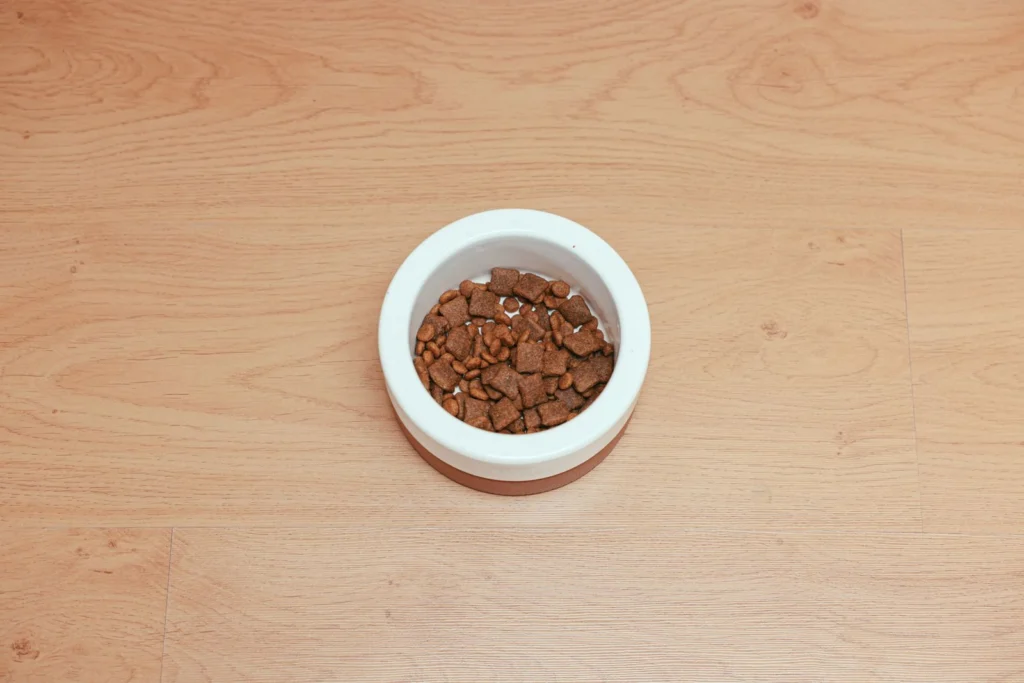
Once other causes are ruled out, Tufts describes three main diet approaches for dogs with chronic digestive signs. Its nutritionists stress that no single approach helps every dog, so your vet may try one and then another.
| Diet approach | What it is | Often considered for |
|---|---|---|
| Highly digestible, reduced-fat | Easily digested ingredients with lower fat than a typical food | Dogs who don’t tolerate rich or fatty food; some chronic diarrhea |
| Fiber-adjusted (often higher fiber) | A changed amount or mix of soluble and insoluble fiber | Colitis and large-bowel diarrhea; some other chronic diarrhea |
| Hydrolyzed or novel protein | Proteins broken down so the immune system is less likely to react, or a protein your dog has never eaten | Suspected food allergy or food-responsive gut disease |
| Veterinary therapeutic diet | Any of the above, made to tighter specifications and sold through your vet | Dogs needing precise fat, fiber or protein control |
Highly digestible and reduced-fat diets
Tufts notes that dog foods range from under 2 to over 8 grams of fat per 100 kcal, while a dog’s minimum requirement is 1.4 grams per 100 kcal, so there is plenty of room to choose a leaner food. Merck describes diets for chronic gut disease as generally built on limited protein sources and highly digestible carbohydrates, with low to moderate fat. Finding the right fat level can take trial and error, so ask your vet or the manufacturer for fat per 100 kcal.
Fiber-adjusted diets
Dogs with colitis often respond best to higher-fiber diets, according to Tufts, and Merck notes that dogs with large-intestinal diarrhea may benefit from diets high in insoluble fiber. But fiber is tricky. A Tufts nutritionist explains that the “crude fiber” figure on the label captures most insoluble fiber but no soluble fiber, so you can’t compare foods accurately from the bag. The same article says the wrong amount or mix of fiber is a much more likely reason a dog doesn’t do well on a food than a food allergy, and that too much highly fermentable fiber can cause excess gas. Therapeutic high-fiber diets give more accurate fiber information, and any fiber change should be made gradually, with your vet’s advice.
Limited-ingredient, hydrolyzed and novel-protein diets
If your vet suspects a food reaction, they may suggest a hydrolyzed or novel-protein diet. Merck reports that dietary change resolves signs in more than half of dogs with chronic enteropathy, and that dogs with food-responsive disease typically improve within a few days to two weeks. For a full food allergy elimination trial, though, the diet needs to be strict and exclusive for at least 8 weeks, and sometimes longer, with no other treats, chews or scraps. Our guide to French Bulldog allergies explains how the trial works and why vets often prefer prescription diets for it.
How you feed matters too
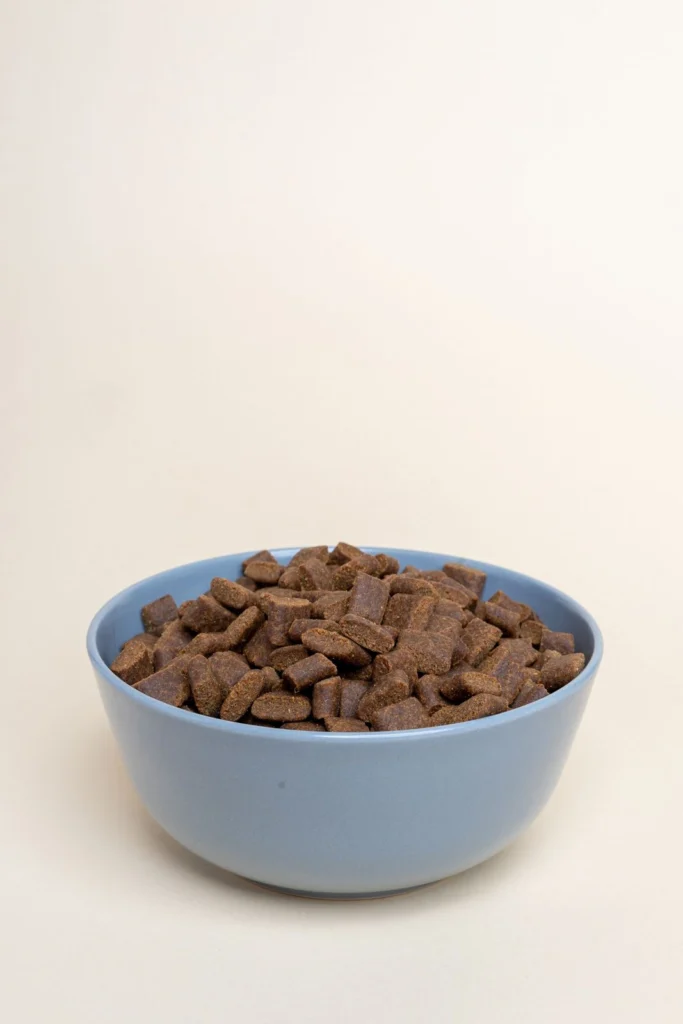
- Smaller, more frequent meals. VCA recommends small, frequent portions of a bland, easily digested diet while a dog recovers from vomiting.
- Change one thing at a time. Tufts suggests keeping a diet and symptom journal so you can see what actually helps.
- Switch slowly. Sudden changes are a common trigger for upset. Sensitive Frenchies may need a much slower transition; our guide to switching French Bulldog food has sample schedules.
- Count the extras. Treats, chews and table scraps can undo a careful diet plan. Keep treats to no more than 10% of daily calories and choose ones compatible with your dog’s diet.
For general advice on reading labels, life stage and calorie density, see our pillar guide to the best food for French Bulldogs.
Is grain-free better for a sensitive stomach?
Not necessarily. Grains are not the main cause of food allergies in dogs; proteins are more common triggers. Grain-free is also linked to an open safety question. In July 2018, the FDA began investigating reports of dilated cardiomyopathy (DCM), a heart muscle disease, in dogs eating certain foods, many labeled grain-free, with peas, lentils, other pulses or potatoes as main ingredients. In its December 2022 update, the FDA said the reports by themselves don’t establish a causal relationship, described the issue as complex and possibly involving multiple factors, and said it doesn’t plan further public updates until there is meaningful new scientific information. Because the question isn’t settled, talk to your vet before choosing a grain-free diet for your Frenchie.
Red flags: when to see a vet now
Contact your vet promptly, or an emergency clinic out of hours, if your French Bulldog has any of these:
- Blood in the vomit (VCA), or black, tarry stool, which Merck links to bleeding ulcers in the stomach or upper intestine
- Repeated vomiting, or vomiting that continues for more than one to two days even in a bright dog (VCA)
- Lethargy, fever, a painful belly, dehydration or loss of appetite alongside vomiting (VCA)
- Weight loss, or digestive signs that last three weeks or longer or keep coming back (Merck lists weight loss among the signs of chronic gut disease)
- Any chance they swallowed a toxin or an object (VCA)
- A puppy with vomiting or diarrhea
Vet note: Don’t treat a sensitive stomach by rotating store-bought foods. Ask your vet to rule out parasites and other causes first, then agree on one diet approach, how long to try it, and what improvement should look like. Therapeutic diets and any medication should only be used under veterinary guidance.
FAQ
How long should I try a new food for my Frenchie’s sensitive stomach?
It depends on the goal. Merck notes that dogs with food-responsive gut disease typically improve within a few days to two weeks, but a food allergy elimination trial needs at least 8 weeks of strict feeding. Ask your vet which timeline applies to your dog.
Are “sensitive stomach” foods from the pet store any good?
Some dogs do well on them, but the label alone won’t tell you exact fat or fiber content. Ask the manufacturer for fat per 100 kcal, and talk to your vet if signs persist, since a therapeutic diet gives more precise control.
Can I add pumpkin or fiber to my French Bulldog’s food?
Check with your vet first. Tufts nutritionists warn that the right fiber type and amount vary by dog, and the wrong mix can cause more gas. Any fiber change should be made gradually.
My Frenchie brings up food right after eating. Is that a sensitive stomach?
It may be regurgitation rather than vomiting, which can be common in flat-faced breeds with airway problems and is often linked to the esophagus and airway. Film an episode and show your vet.
Sources
- What’s the Best Diet for Dogs with Chronic Diarrhea? — Tufts Cummings School of Veterinary Medicine, Petfoodology
- Fiber Frustrations — Tufts Cummings School of Veterinary Medicine, Petfoodology
- Chronic Enteropathies in Small Animals — Merck Veterinary Manual
- Vomiting in Dogs — VCA Animal Hospitals
- Relationship between brachycephalic airway syndrome and gastrointestinal signs in three breeds of dog — Journal of Small Animal Practice (Kaye et al., 2018)
- FDA Investigation into Potential Link between Certain Diets and Canine Dilated Cardiomyopathy — U.S. Food and Drug Administration