
If your French Bulldog is forever licking their paws, rubbing their face on the sofa or getting repeat ear infections, allergies are a likely suspect. Frenchies are commonly affected by allergic skin disease, and it can be frustrating for both dog and owner. The good news is that, with the right diagnosis and a long-term plan, most allergic dogs can live comfortably. This guide explains the main types of allergy, how to tell them apart, and what genuinely helps.
Key takeaways
- Most allergic itch in dogs comes from fleas, environmental allergens or food, and many dogs have more than one type.
- Itchy paws, face, ears, armpits and belly, plus recurring ear or skin infections, are classic signs.
- Food allergy can only be reliably diagnosed with a strict elimination diet trial guided by your vet, usually lasting at least eight weeks.
- Blood, saliva and hair tests sold to diagnose food allergy are not considered reliable.
- Allergies are usually managed rather than cured, using a combination of flea control, skin care, medication and sometimes immunotherapy.

What is an allergy?
An allergy is an exaggerated immune response to something that is normally harmless, such as a protein in food, pollen or house dust mites. In dogs, allergies most often show up in the skin and ears rather than as sneezing. The main types vets consider are:
- Flea allergy dermatitis: a reaction to flea saliva. Even a few bites can trigger intense itching in a sensitive dog.
- Environmental allergy (atopic dermatitis): a reaction to things like pollens, molds and dust mites, often combined with a weaker skin barrier.
- Food allergy (cutaneous adverse food reaction): a reaction to an ingredient in the diet, most often a protein.
Many allergic dogs have more than one type, which is why a step-by-step approach with your vet works best.
Common signs in French Bulldogs
- Licking or chewing the paws, often with reddish-brown fur staining (see our paw care guide)
- Rubbing the face and eyes on furniture or the floor
- Red skin on the belly, armpits, groin or between the toes
- Recurring ear infections, head shaking or smelly ears
- Scooting or licking around the bottom
- Hair loss, darkened or thickened skin in chronic cases
- Inflamed or infected skin folds
- With food allergy in particular, some dogs also have digestive signs such as soft stools or more frequent bowel movements
Scratching damages the skin, which often leads to secondary bacterial or yeast infections. These make the itch worse, so treating infections is an important part of breaking the cycle.
Food vs. environmental allergies: how they differ
| Environmental (atopic) | Food allergy | |
|---|---|---|
| How common | Common | Found in a minority of itchy dogs |
| Typical age at onset | Usually young adult dogs, often between about 6 months and 3 years | Highly variable; often starts in young adults, but can begin in puppies or older dogs |
| Seasonality | Often seasonal at first, may become year-round | Usually year-round |
| Body areas | Paws, face, ears, armpits, belly | Very similar; ears and bottom are common |
| Digestive signs | Not typical | Sometimes present |
| How it is diagnosed | By ruling out other causes; allergy testing used to plan immunotherapy | Strict elimination diet trial followed by a food challenge |
The honest truth is that the two can look almost identical on the skin. Patterns like seasonality and age at onset offer clues, but they cannot confirm which type your dog has.
How vets diagnose allergies
Step 1: Rule out parasites and infection
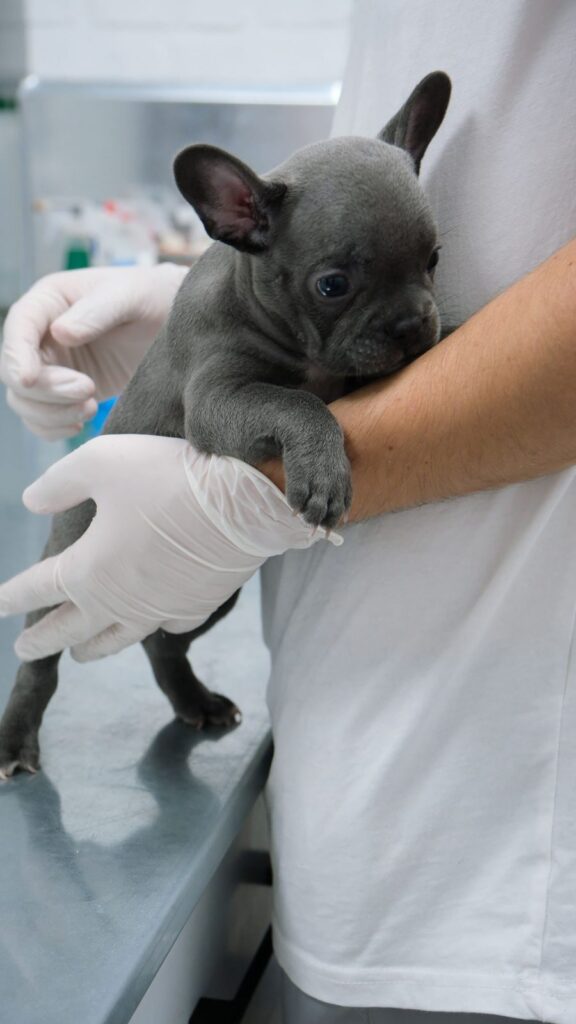
Your vet will usually start by making sure fleas, mites and other parasites are not the cause, and by checking for bacterial or yeast infections using skin or ear samples. Strict, year-round flea control for all pets in the home is a foundation of managing any itchy dog.
Step 2: The elimination diet trial
The only reliable way to diagnose food allergy is an elimination diet trial. Your dog eats a diet they have not been exposed to before (a novel protein) or a hydrolyzed diet, in which proteins are broken down so the immune system is less likely to recognize them. Trials usually last at least eight weeks, and sometimes longer.
The trial must be strict. That means no treats, chews, table scraps, flavored medications or flavored toothpaste outside the plan. Studies have found that pet foods, including some “novel” or “limited ingredient” products, are fairly often mislabeled and can contain ingredients not listed on the label, which is why vets often recommend prescription diets for trials.
If the itch improves significantly, your vet will usually suggest a food challenge: reintroducing the old diet to see whether signs return. This confirms the diagnosis and helps identify which ingredients to avoid. Beef, dairy, chicken and wheat are the food allergens most often reported in dogs, but any protein can be involved.
Step 3: Environmental allergy
Atopic dermatitis is diagnosed by recognizing the pattern of signs and ruling out other causes, including food allergy. Intradermal skin testing or blood (serum) allergy testing can then identify which environmental allergens your dog reacts to. These tests are mainly used to formulate allergen-specific immunotherapy, rather than to decide whether a dog is allergic in the first place.
A note on home allergy kits: tests that use blood, saliva or hair to diagnose food allergies are widely marketed but are not considered reliable by veterinary dermatologists. They can lead to unnecessary diet changes while the real cause goes untreated.
What helps: treatment and management
Allergies are usually lifelong, so the aim is to keep your dog comfortable with a plan you can sustain. Most plans combine several approaches.
For food allergy
- Feed a diet that avoids the identified trigger ingredients, chosen with your vet.
- Read labels carefully on treats and chews; use treats compatible with the diet.
- Remember that “grain-free” does not mean “hypoallergenic”. Proteins are the more common triggers.
Our guides to choosing food and feeding by age cover general nutrition, but an allergic dog’s diet should be planned with your vet.
For environmental allergy
- Anti-itch medications prescribed by your vet, available as daily tablets or longer-lasting injections, can relieve itch for many dogs. Corticosteroids are also effective, usually best for short-term flare-ups because of their side effects with long-term use.
- Allergen-specific immunotherapy (allergy injections or oral drops) aims to reduce sensitivity over time. It can take months, sometimes up to a year, to show benefit but addresses the underlying response rather than just the itch.
- Skin barrier support: regular bathing with a vet-recommended shampoo can wash allergens off the coat and soothe skin. Omega-3 fatty acid supplements may help some dogs as part of a wider plan.
- Reducing exposure: wiping paws and belly after walks in pollen season, washing bedding regularly and vacuuming to reduce dust can all help.
- Antihistamines have limited evidence of benefit in atopic dermatitis and are not enough on their own. Only give them if your vet advises a specific product and dose.
For every allergic dog
- Consistent flea prevention for every pet in the household
- Prompt treatment of ear and skin infections
- Regular grooming, ear checks and fold care
- A healthy weight, which reduces fold depth and skin friction
- Regular check-ins with your vet to adjust the plan as seasons change
Vet note: Never give your dog human allergy medicines, steroid creams or supplements without veterinary advice. Some human products contain ingredients that are harmful to dogs, and doses differ. If your Frenchie’s face swells suddenly, they develop hives, or they have difficulty breathing, treat it as an emergency and contact a vet straight away, especially given the breed’s already narrowed airways.
FAQ
Are French Bulldogs more prone to allergies?
Yes. A large UK study of dogs in primary veterinary care found French Bulldogs had higher odds than other dogs of allergic skin disorders, food hypersensitivity and atopic dermatitis, as well as ear discharge and skin fold dermatitis. Not every Frenchie develops allergies, but it is worth knowing the early signs.
What are French Bulldogs most commonly allergic to?
There is no good breed-specific list, so the answer comes from what is known about dogs in general. Food allergy is found in only a minority of itchy dogs; the Merck Veterinary Manual puts it at roughly 9–40% of dogs with itchy skin. Flea saliva and environmental allergens are the other big causes. VCA Animal Hospitals lists tree, grass and weed pollens, molds and dust mites among the common environmental triggers. Among food allergens, a review of 297 food-allergic dogs confirmed by food challenge found the most often reported triggers were beef (34% of dogs), dairy products (17%), chicken (15%) and wheat (13%), followed by soy, lamb, corn and egg. Some dogs react to more than one ingredient.
Can a French Bulldog be allergic to chicken?
Yes. Chicken is one of the more commonly reported food allergens in dogs, and nothing suggests Frenchies are an exception. A chicken allergy looks the same as any other food allergy: year-round itching of the paws, ears, belly or bottom, recurring ear or skin infections, and sometimes digestive signs such as vomiting, diarrhea or soft, frequent stools. You cannot confirm it by looking at the symptoms. The only reliable way is a strict elimination diet trial of at least eight weeks, then a challenge where the suspected food is brought back to see whether signs return. Blood, saliva and hair tests have not proven reliable for diagnosing food allergy. Remember that chicken often turns up in treats, chews and “non-chicken” foods too, so check labels with your vet.
Are French Bulldogs allergic to tap water?
There is no veterinary evidence that dogs are allergic to water itself, and no reliable source we found supports the idea that hard tap water causes allergies in Frenchies. If your dog itches, the usual suspects are fleas, environmental allergens, food or a skin infection, so it is better to look into those with your vet than to switch water. Water does matter in one way: during an elimination diet trial, a shared water bowl can pick up food from other pets, so give your dog their own clean bowl.
How long does it take to see results from an elimination diet?
Many dogs improve within a few weeks, but trials usually run for at least eight weeks to give the skin time to respond. Your vet will advise on the right length for your dog.
Will switching to grain-free food fix my dog’s itching?
Not necessarily. Food allergies are more often triggered by proteins than by grains, and many itchy dogs have environmental rather than food allergies. A proper elimination trial is a better route than trial-and-error food switching.
Can allergies be cured?
Usually they are managed rather than cured. Dogs with food allergy can do very well once triggers are avoided, and immunotherapy can significantly reduce signs in some dogs with environmental allergies.
Sources
- Atopic Dermatitis in Dogs — Merck Veterinary Manual
- Cutaneous Food Allergy in Animals — Merck Veterinary Manual
- Critically appraised topic on adverse food reactions of companion animals (1): duration of elimination diets — BMC Veterinary Research (Olivry et al., 2015)
- Critically appraised topic on adverse food reactions of companion animals (4): can we diagnose adverse food reactions in dogs and cats with in vivo or in vitro tests? — BMC Veterinary Research (Mueller & Olivry, 2017)
- Critically appraised topic on adverse food reactions of companion animals (5): discrepancies between ingredients and labeling in commercial pet foods — BMC Veterinary Research (Olivry & Mueller, 2018)
- French Bulldogs differ to other dogs in the UK in propensity for many common disorders: a VetCompass study — Canine Medicine and Genetics (O’Neill et al., 2021)
- Critically appraised topic on adverse food reactions of companion animals (2): common food allergen sources in dogs and cats — BMC Veterinary Research (Mueller, Olivry & Prélaud, 2016)
- Food Allergies in Dogs — VCA Animal Hospitals
- Atopic Dermatitis (Atopy) in Dogs — VCA Animal Hospitals