
Every dog has a scent, and a faint “doggy” smell after a rainy walk is nothing to worry about. But if you keep wondering “why does my French Bulldog smell?”, the answer is usually hiding in one specific spot. Frenchies have deep facial wrinkles, a tail pocket, narrow ear canals and itch-prone skin, and each of these can produce its own distinct odor. The quickest way to find the cause is to sniff your way around your dog, area by area, and then match what you find to the likely problem.
Key takeaways
- A strong, new or one-sided smell usually points to a specific body area, not a dirty coat.
- Skin folds, ears and the tail pocket are common sources of Frenchie odor.
- A musty or yeasty smell often means yeast overgrowth, which is frequently driven by allergies.
- Bad breath is not normal at any age; brush with dog toothpaste only and book a dental check.
- Smell plus redness, discharge, pain or scooting needs a vet, not more baths.
Why does my French Bulldog smell? Start with a sniff map
Extra baths rarely fix the problem, because the smell usually comes from a small area where moisture, oil, yeast or bacteria have built up. Instead, check the folds, ears, mouth, under the tail, paws and skin one at a time in good light, then consider gas, urine and feces.
Quick guide: where the smell is, likely causes and what to do
| Where the smell is | Likely cause | What to do |
|---|---|---|
| Nose fold, lip folds, face wrinkles | Skin fold dermatitis (yeast and/or bacteria in a damp fold) | Gently clean and thoroughly dry; vet if red, sore or discharging |
| Ears | Otitis externa (outer ear infection), often linked to allergies | Do not clean a red or painful ear; book a vet exam |
| Mouth | Dental disease; less often a stuck object, kidney disease or diabetes | Dental check; daily brushing with dog toothpaste |
| Under the tail, fishy smell | Anal sac (anal gland) problems | Vet visit, especially with scooting or licking |
| Tail pocket | Trapped moisture and debris, fold infection | Clean and dry gently; vet if it smells strongly or hurts |
| Paws, armpits, belly, whole body | Yeast or bacterial skin infection, often with allergies | Vet exam and skin sampling; look for the underlying cause |
| Gas | Diet changes, food that disagrees, swallowing air while eating | Change food gradually, slow-feeder bowl; vet if new or with other signs |
| Urine or feces | Soiled fur, diarrhea, possible urinary problem | Clean and dry the area; vet if the smell or habits have changed |
Skin folds: the classic French Bulldog skin fold smell
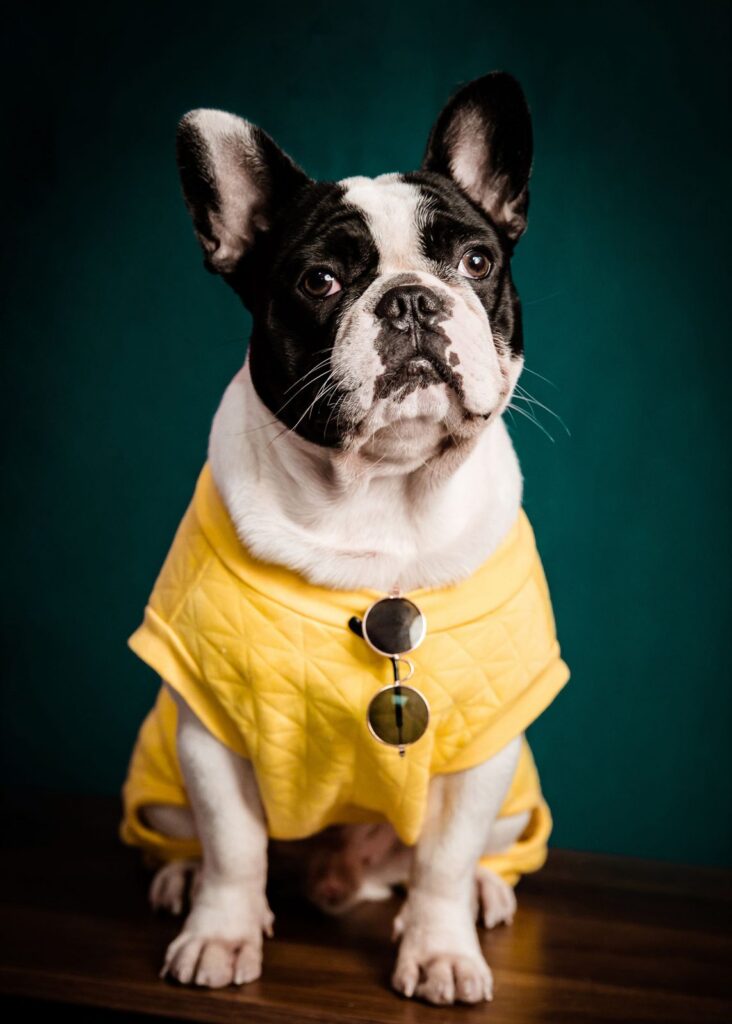
A sour, cheesy or yeasty smell from the face is most often skin fold dermatitis. Folds trap warmth and moisture, and the yeast and bacteria that normally live on the skin can overgrow there. The PDSA lists smelly skin among the signs, along with red, sore folds, yellow or white discharge, rubbing and pain when the fold is touched. It most commonly affects the folds above the nose, the tail and the vulva.
French Bulldogs are strongly predisposed. A large VetCompass study of 2,781 French Bulldogs under UK veterinary care found they had about 11 times the odds of skin fold dermatitis compared with other dogs, the fourth-highest predisposition the study identified.
What to do: gently wipe each fold with a soft pad dampened with salt water or a gentle cleanser your vet recommends, then dry it completely. Drying is the step that matters most. Avoid alcohol, hydrogen peroxide and scented human wipes. If a fold is red, raw, discharging or painful, see your vet. Our skin fold care guide walks through the full routine.
Ears: a yeasty or sour French Bulldog ear smell
Healthy Frenchie ears look pale pink, with little wax and no strong smell. A yeasty, sour or rotten odor, especially with head shaking, scratching, redness or brown discharge, suggests otitis externa. In the same VetCompass study, French Bulldogs had about 1.6 times the odds of otitis externa compared with other dogs, with 9.4% of the Frenchies diagnosed during the one-year study period versus 7.2% of other dogs.
Yeast called Malassezia is a common culprit. VCA Hospitals notes that yeast overgrowth causes itching, redness and a musty smell, and that it frequently shows up as chronic or recurring ear infections, often on a background of allergic skin disease.
What to do: do not try to clean a smelly, red or sore ear at home. Some cleaners can cause harm if the eardrum is damaged, so your vet needs to look first. Avoid vinegar, hydrogen peroxide and cotton swabs. For healthy ears, clean only when needed; over-cleaning can irritate the canal. See French Bulldog ear infections for signs, treatment and prevention.
Mouth: French Bulldog bad breath
“Dog breath” is common, but the PDSA is clear that bad breath is not normal, even in older dogs. The most frequent cause is dental disease: plaque and tartar, inflamed gums, infection and tooth root abscesses.
The VetCompass study found French Bulldogs had lower odds of periodontal (gum) disease than other dogs. Keep in mind that the Frenchies in the study were much younger (median age about 1.5 years versus about 4.5 years), and the authors caution that age complicates comparisons, so this is no reason to skip dental care as your dog gets older.
The PDSA also notes that breath smelling like ammonia can be linked to kidney disease, a sweet smell similar to nail polish remover can be linked to diabetes, and a bone or stick stuck in the mouth can quickly become smelly.
What to do: book a dental check for any new or persistent bad breath, and sooner if your dog seems unwell, is in pain or has stopped eating. At home, daily brushing with a dog toothpaste is the most effective habit. Never use human toothpaste, as some contain xylitol, which is toxic to dogs.
Under the tail: anal glands and the tail pocket
Anal glands
A sudden fishy or very pungent smell from the back end often comes from the anal sacs, two small pouches beside the anus. VCA Hospitals explains that they normally hold a foul-smelling fluid that dogs use as a scent marker. Problems arise when the sacs become impacted, infected or abscessed. Signs include scooting, licking or biting at the tail base, pain near the tail, and blood or pus. Diarrhea, constipation, obesity and skin allergies are among the contributing causes, and VetCompass recorded slightly higher odds of anal sac disorders in French Bulldogs (about 1.3 times).
What to do: leave anal glands to your vet. Contact them promptly if you see swelling, discharge or bleeding near the anus, because an infected sac can become an abscess.
Tail pocket and screw tail
Many Frenchies have a short or screw-shaped tail sitting in a skin pocket. That pocket is warm, hidden and easy to forget, so moisture and debris can sit there and cause fold dermatitis. Use a flashlight, and clean and dry the pocket as part of your fold routine. Strong odor, flinching or discharge means it is time for a vet check.
Paws, belly and skin: yeast, infection and allergies
If your whole dog smells musty or greasy, or the smell is strongest from the paws, armpits or belly, think about the skin itself. Yeast overgrowth causes a musty odor with itching, redness, flaky or crusty skin and, over time, thickened or darkened skin. Bacterial skin infection (pyoderma) can also smell. VCA Hospitals notes that allergic skin disease and increased oil production are common triggers for yeast.
Allergies are a recurring theme here. VetCompass found French Bulldogs had higher odds of atopic dermatitis (about 2.1 times), allergy (about 2.8 times) and dermatitis in general (about 3.5 times) than other dogs.
What to do: your vet can take a quick skin sample to see whether yeast, bacteria or both are present, and then look for the underlying cause. Medicated shampoos may be part of treatment, but only as your vet directs. Read more in French Bulldog allergies.
Gas: when the smell is in the air
The PDSA lists sudden diet changes, table scraps, fatty or spoiled food and dairy among the common causes, and notes that brachycephalic (flat-faced) breeds are prone to swallowing air when they eat, as are fast eaters.
What to do: change food gradually over several days, skip dairy and table scraps, and try a slow-feeder bowl. Contact your vet if the gas changes, smells worse than usual, becomes more frequent, or comes with diarrhea, vomiting or weight loss.
Urine and feces
A Frenchie can end up with urine or feces on the fur, especially around a tail pocket or heavier folds. Females with a folded vulva can trap urine in the skin there. Keep the area clean and dry, and keep your dog at a healthy weight, which makes folds shallower. Talk to your vet if urine smells unusually strong, your dog is peeing more often or straining, there is blood, or your dog has repeated diarrhea.
Gentle home habits that keep odor down
- Dry after water: after baths, swims and rain, hand-dry the folds, ears and tail pocket.
- Bathe sensibly: about once a month with a mild dog shampoo is plenty for most Frenchies.
- Brush teeth daily with dog toothpaste.
- Wash bedding regularly, since it holds onto skin oils and odor.
Our French Bulldog grooming guide combines all of this into one simple weekly routine.
Vet note: A change in odor is often one of the first signs of an infection. See your vet if a smell is new, strong, keeps coming back after cleaning, or comes with redness, discharge, itching, scooting, head shaking, pain, or changes in appetite or energy. Please do not use leftover prescription products, human medications or home remedies on your dog without checking first.
FAQ
Is it normal for French Bulldogs to smell?
A mild doggy smell is normal, especially when they are wet. A strong, sour, fishy, yeasty or rotten smell is not, and usually points to folds, ears, teeth, anal glands or skin.
Why does my French Bulldog smell even after a bath?
Bathing cleans the coat but not the source. If odor returns quickly, check the folds, ears and tail pocket, and ask your vet about a skin or ear infection.
Why does my French Bulldog smell like fish?
A fishy smell, especially from the rear end, is most often anal gland fluid. If it happens often or your dog is scooting or licking under the tail, see your vet.
How often should I bathe a smelly Frenchie?
Usually about once a month, or when your dog is genuinely dirty, unless your vet prescribes a medicated shampoo routine. Bathing more often can dry the skin and does not fix the underlying cause of the smell.
Sources
- French Bulldogs differ to other dogs in the UK in propensity for many common disorders: a VetCompass study — Canine Medicine and Genetics (O’Neill et al., 2021)
- Skin fold dermatitis in dogs — PDSA
- Yeast Dermatitis in Dogs — VCA Animal Hospitals
- Anal Sac Disease in Dogs — VCA Animal Hospitals
- Bad breath in dogs — PDSA
- Dog farting and gas — PDSA